Health Savings Accounts (HSAs) are quickly becoming one of the most popular ways to pay for qualified medical costs with pre-tax money. Better still, any unused funds can grow within an investment account until you need them. The most recent research suggests more than 40 million people now have these powerful tax-advantaged accounts.
If you’re one of those participating in an HSA, here are some tips;
Maximize the annual limit every year. Remember, you can carry over unused funds and make this account part of your retirement planning. But if you don’t take advantage of the annual contribution limit, that year’s unused saving opportunity is gone forever.
Employer contributions can make a difference. Find out if your employer contributes to your HSA. As you review your medical benefits during open enrollment this year, see if an HSA-eligible plan is among your options and ask whether your employer makes contributions.
Owners of S corporations (more than 2% owners) cannot make pre-tax HSA contributions through a salary reduction arrangement. However, eligible shareholders can make personal contributions and generally deduct them on their individual tax returns. It’s easy to forget this unique bit of tax law.
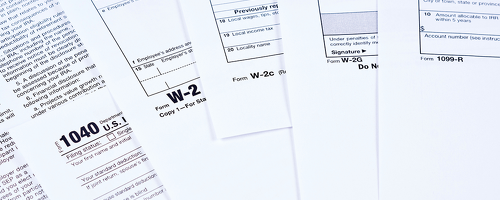
Your HSA contributions AND spending are reported to the IRS. Each year the amount of money you contribute to and withdraw from your HSA is reported to the IRS. Form 5498-SA, which reports your HSA contributions, and Form 1099-SA, which reports distributions, are typically available through your online HSA account. This activity also includes direct contributions to your plan outside of your employment.
The quirk to remember…forever. When you start receiving Social Security retirement benefits at age 65 or older, you generally can NO LONGER contribute to an HSA. That’s because the Social Security Administration (SSA) automatically enrolls you in Medicare Part A, even if you’re still working and don’t want the coverage yet.
Even worse, Medicare Part A coverage can be backdated up to six months when you enroll after age 65, but not earlier than the month you turn 65. If you’ve continued making HSA contributions during that period, you could have a tax mess on your hands, even if you’re still employed and covered by your employer’s health plan.
So remember this quirk when you’re ready to start collecting Social Security retirement benefits. It’s easy to inadvertently create an HSA tax problem if you don’t plan ahead.
HSAs are one of the few tools available to help manage the rapidly rising costs of medical, dental, vision, and other healthcare expenses. But they only work to your advantage if you understand the rules and make the most of them.